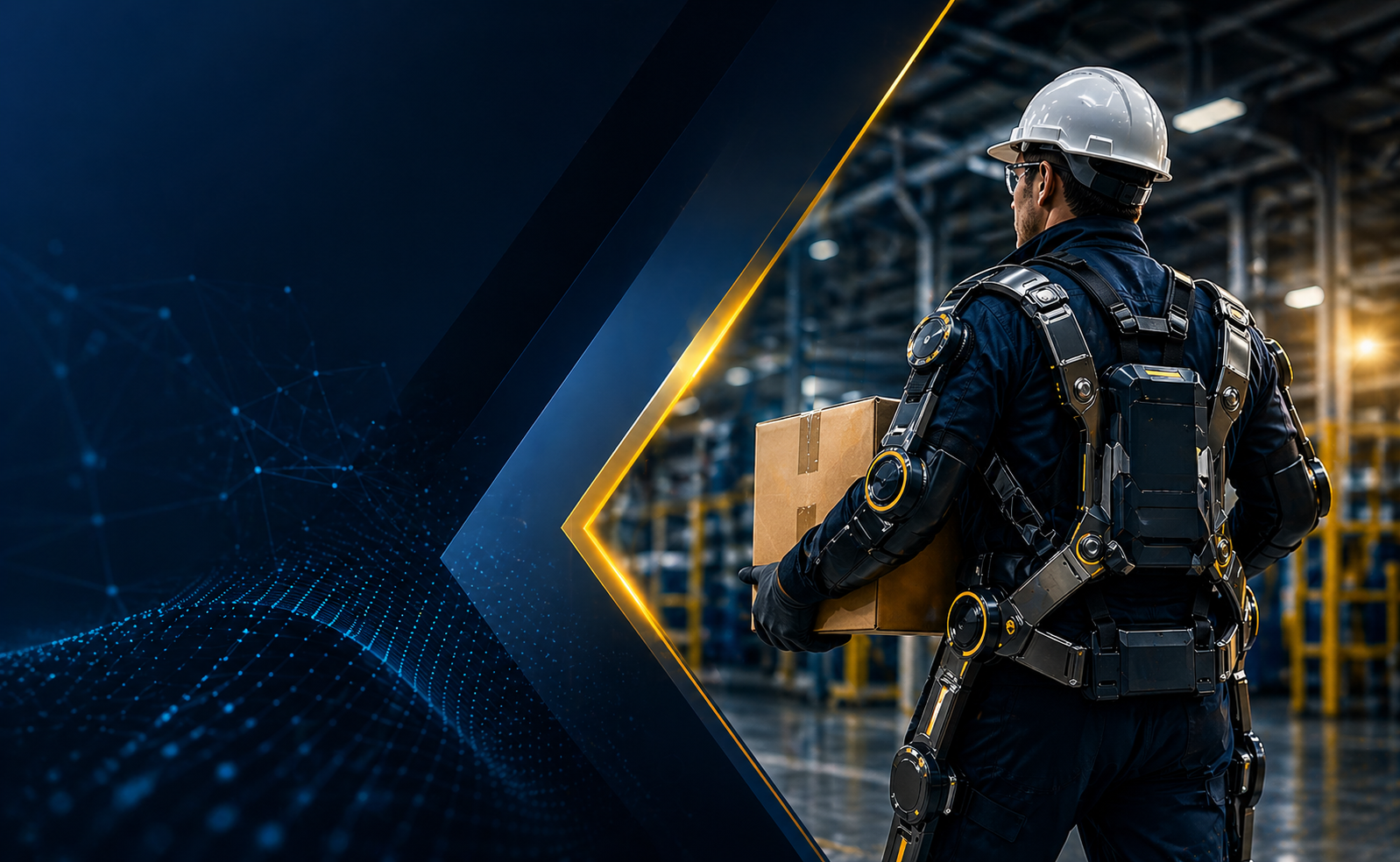
As industries continue to evolve, businesses are increasingly adopting innovative solutions to improve worker safety and efficiency. One of the most promising advancements is the rise of back-assist exosuits, a technology once limited to military use but now rapidly expanding into commercial sectors.
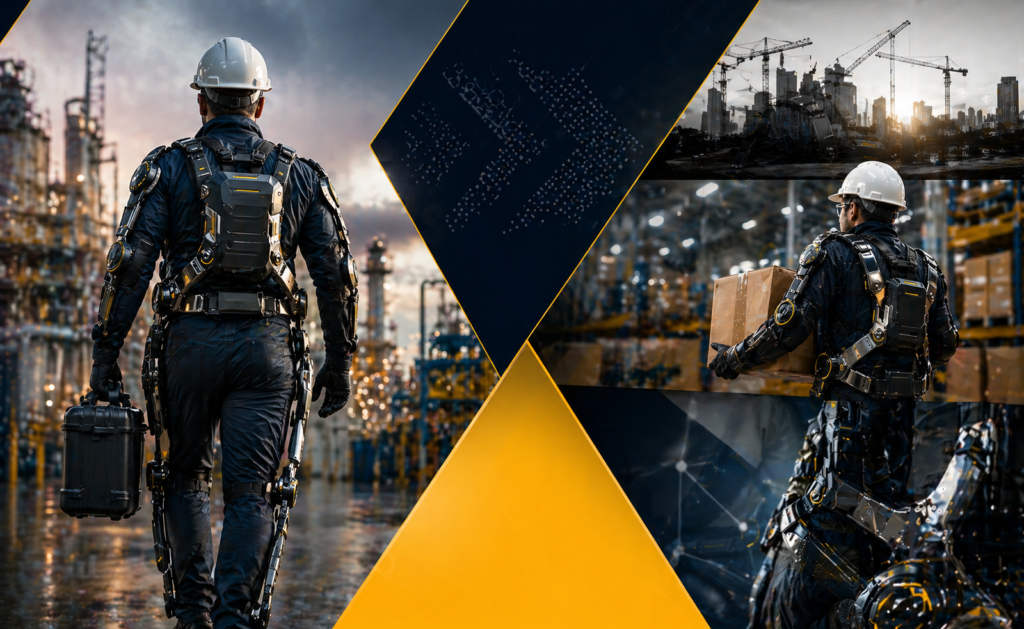
Originally introduced in high-demand environments such as the Air Force, exosuits are designed to support workers who perform repetitive lifting and physically demanding tasks. Today, this same technology is being adapted for industries like warehousing, logistics, construction, and manufacturing—making it highly relevant for Australian businesses looking to reduce injuries and improve productivity.
What Is an Exosuit and How Does It Work?
A back support exoskeleton (or exosuit) is a lightweight wearable device that assists the body during lifting and bending movements. Unlike traditional machinery, it works in harmony with natural human motion. Modern exosuits, such as the HeroWear Apex, use elastic bands that stretch and recoil as the user moves, helping to reduce strain on the lower back.
These devices are lightweight, flexible, and require no motors or batteries, making them practical for everyday industrial use. Research shows that these systems can reduce muscle strain and fatigue by up to 40%, significantly lowering the risk of injury during repetitive tasks.
Why Industries in Australia Are Adopting Exosuits
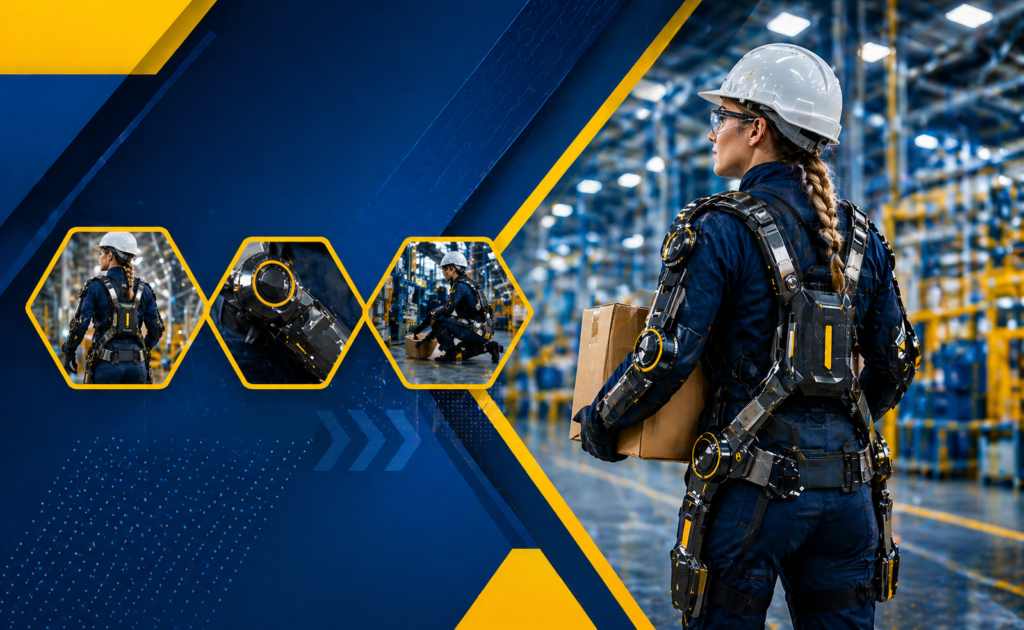
Across Australia, businesses are facing increasing pressure to improve workplace safety, reduce downtime, and comply with health regulations. This is where exosuit technology Australia is becoming a game changer.
Industries that benefit the most include:
- Warehousing and logistics: Workers frequently lift, carry, and move heavy goods
- Construction: Repetitive bending, lifting, and twisting motions
- Manufacturing: Long hours of physically demanding tasks
- Mining and industrial sectors: High-risk environments with heavy equipment
By integrating workplace injury prevention equipment like exosuits, companies can significantly reduce musculoskeletal injuries, which are one of the leading causes of lost productivity.
Real Benefits for Businesses
The value of adopting industrial exoskeletons goes beyond safety. Businesses are seeing measurable improvements in performance and operational efficiency.
Key benefits include:
- Reduced workplace injuries
- Improved worker endurance and comfort
- Better lifting posture and technique
- Lower employee fatigue over long shifts
In real-world applications, companies using exosuits have reported a dramatic reduction in back injuries over hundreds of thousands of working hours, proving their effectiveness in demanding environments.
From Military Innovation to Commercial Advantage
While exosuits were initially deployed in military settings to assist personnel with heavy lifting, their transition into commercial industries highlights their versatility.
In military use, workers handling cargo and equipment experienced significant strain on their bodies. The introduction of exosuits helped maintain proper posture and reduce fatigue, enabling personnel to work longer and more safely.
Today, businesses can leverage the same technology to improve workforce performance and reduce injury-related costs.
The Future of Workplace Safety
As more companies adopt ergonomic workplace solutions, exosuits are becoming a key part of modern safety strategies. However, experts emphasize that they should be used alongside proper training, strength conditioning, and risk management programs—not as a complete replacement.
Looking ahead, the adoption of exosuit Australia solutions is expected to grow rapidly as companies prioritize employee wellbeing and operational efficiency.
Conclusion
The introduction of back support exoskeletons marks a major shift in how industries approach workplace safety. By reducing fatigue, improving posture, and preventing injuries, exosuits offer a practical and scalable solution for businesses across multiple sectors.
For companies in Australia, adopting this technology is not just about innovation—it’s about building a safer, more productive workforce for the future.