
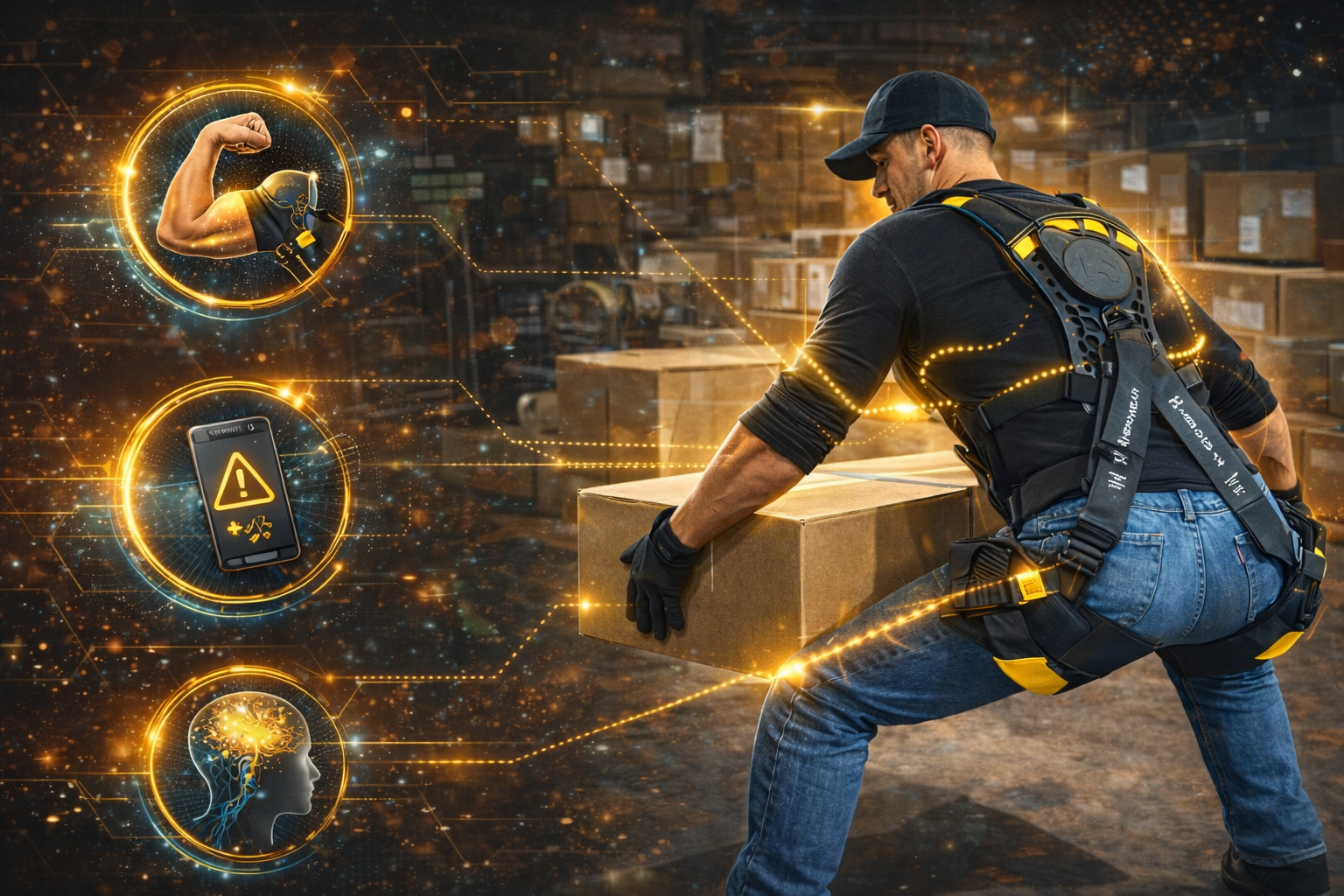
In physically demanding industries, lifting is part of everyday work. Whether it’s in mining, warehousing, construction, or manufacturing, workers are constantly moving heavy equipment, materials, and tools. Over time, this repetitive strain leads to one of the most common workplace problems: musculoskeletal injuries. That’s where the exosuit for lifting is changing the game.
Wearable technology is no longer limited to fitness trackers and smartwatches. In industrial environments, it’s becoming a practical solution that directly supports workers’ bodies while improving productivity and safety.
Why Traditional Lifting Methods Are No Longer Enough
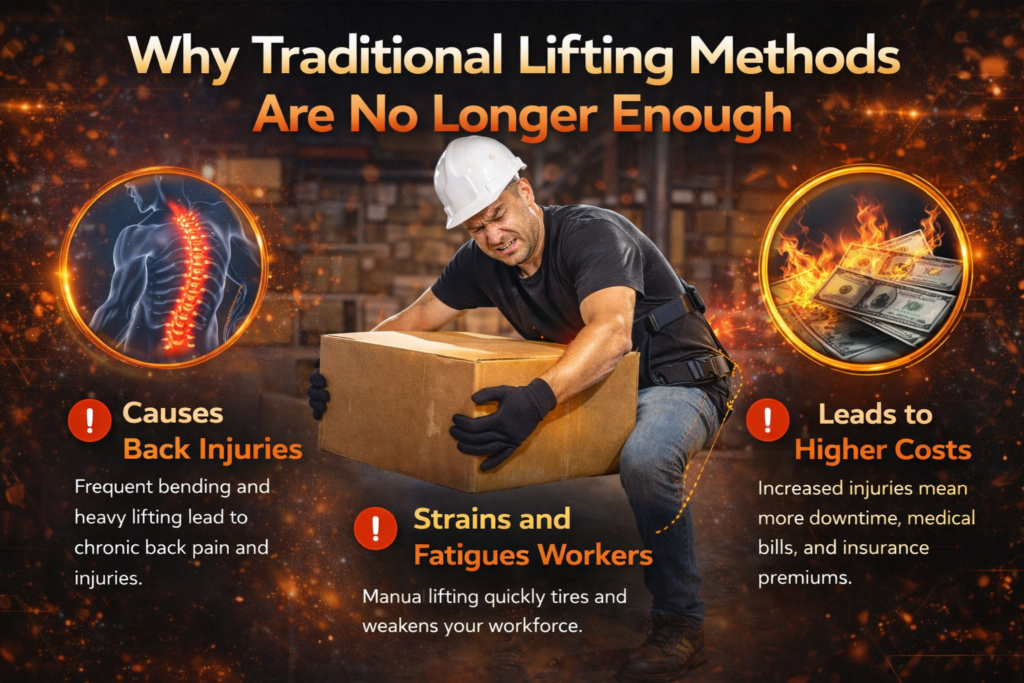
For years, companies have relied on manual handling training, mechanical lifting tools, and safety protocols to reduce injuries. While these methods are important, they don’t eliminate the physical strain placed on the body. Lower back injuries, shoulder strain, and long-term joint damage remain common across physically intensive industries.
The reality is simple: even strong, experienced workers are not built to repeatedly lift heavy loads for years without consequences. Fatigue builds up, posture declines, and the risk of injury increases. An exosuit for lifting works differently. Instead of replacing the worker, it supports them.
How an Exosuit for Lifting Works
An exosuit is a lightweight, wearable device designed to assist the body’s natural movements. Unlike bulky robotic exoskeletons you might see in science fiction, modern industrial exosuits are flexible and comfortable. They are worn over clothing and provide targeted support to the lower back, shoulders, or legs during lifting and bending.
When a worker bends down to lift an object, the exosuit stores energy and then releases it as they stand up. This reduces the load on the spine and muscles, helping prevent strain and fatigue. The worker still performs the task — but with added support.
The result? Reduced injury rates, less fatigue at the end of a shift, and improved overall wellbeing.
Productivity Without Sacrificing Health
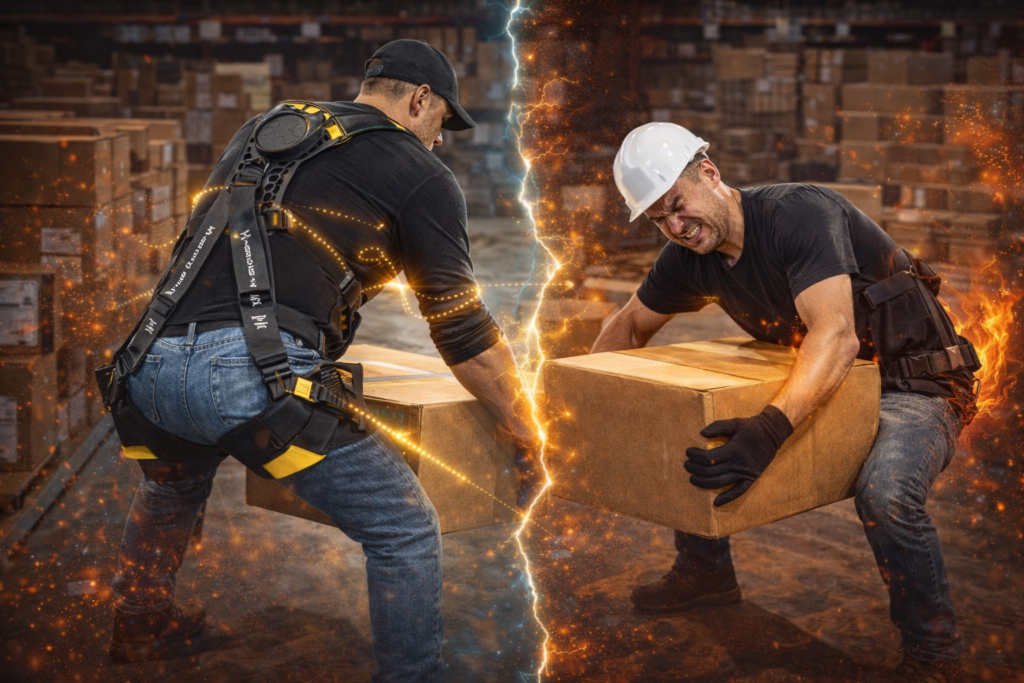
One of the common misconceptions is that safety improvements slow down operations. In reality, wearable technology often increases efficiency. When workers are less fatigued, they maintain better posture, stay focused longer, and take fewer sick days.
An exosuit can help reduce downtime caused by injuries and lower workers’ compensation costs. More importantly, it builds trust. Employees feel valued when companies invest in technology that directly protects them.
In industries such as mining and heavy manufacturing, where physical demands are high, combining wearable solutions with broader environmental technology solutions Australia companies are implementing creates a balanced approach. Clean water systems, smart monitoring, and worker-centred safety tools all contribute to a more responsible and forward-thinking business model.
The Future of Wearable Workplace Technology
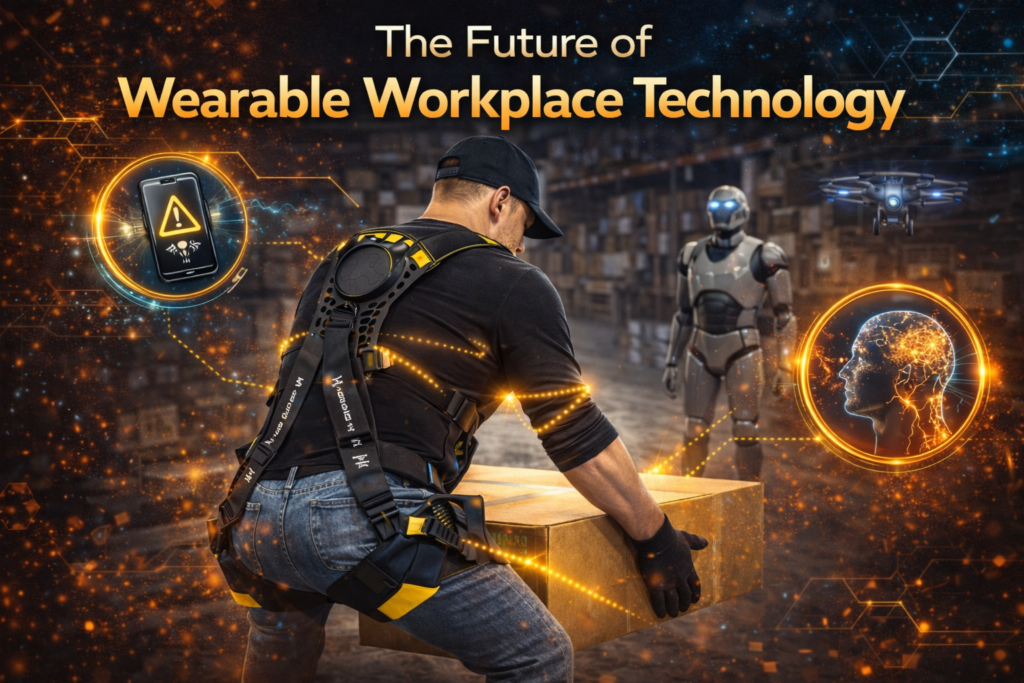
Wearable safety technology is only getting smarter. Future exosuits will likely integrate sensors, collect data on movement patterns, and provide real-time feedback to improve lifting techniques. This means even better injury prevention and smarter workforce management.
The adoption of an exosuit for lifting represents more than just a trend. It signals a cultural shift toward innovation, prevention, and long-term thinking.
Workplace injuries are not inevitable. With the right technology, businesses can protect their teams, improve performance, and build operations that are not only productive but genuinely sustainable.