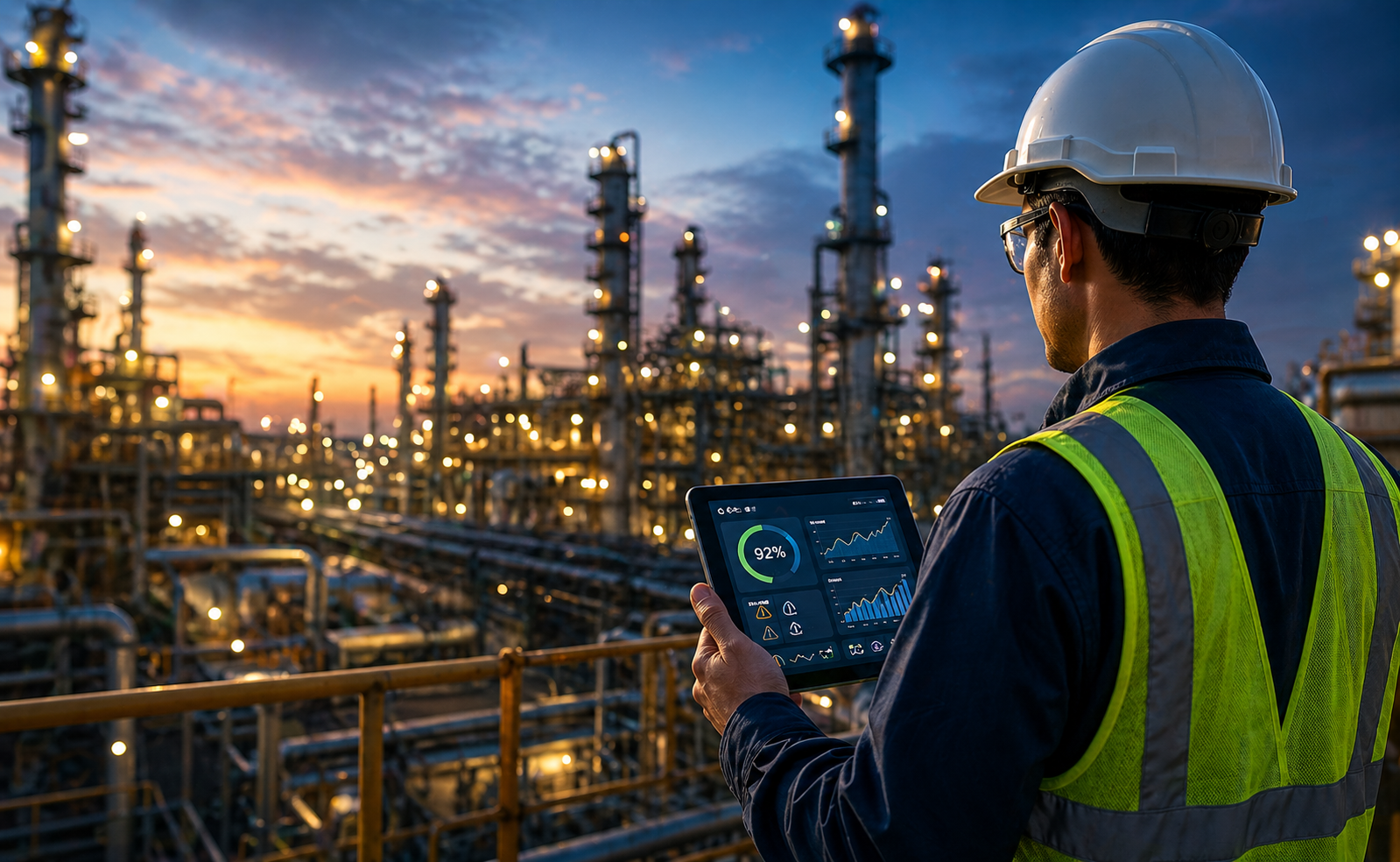
Workplace risk has always been a reality in industrial environments. Whether it is a warehouse, manufacturing facility, construction site, processing plant, or mining operation, there are constant pressures around safety, productivity, compliance, and performance. The challenge for businesses today is not only identifying hazards, but finding smarter ways to manage them before they lead to injury, downtime, or costly disruption.
That is why more companies are investing in safety technology that goes beyond traditional protective measures. Hard hats, signage, procedures, and training will always remain important, but they are no longer the full picture. In modern industrial settings, businesses are starting to realise that reducing risk takes more than rules alone. It takes practical, intelligent solutions that actively support safer work on the ground.
From wearable devices and monitoring systems to smarter communication tools and hazard detection technology, the shift toward industrial safety technology is changing the way workplaces think about risk.
Why Traditional Safety Measures Are No Longer Enough
For years, many industrial businesses have relied on a familiar safety model: identify risks, train workers, provide protective gear, and enforce procedures. These fundamentals still matter, and they always will. But industrial environments have become more complex, faster moving, and more demanding.
Workers are often operating around heavy equipment, high-noise areas, moving vehicles, repetitive physical tasks, and hazardous conditions, all while under pressure to maintain output. In this kind of setting, traditional safety measures alone can leave gaps. Procedures may exist on paper, but risks still develop in real time.
This is where smarter safety technology adds real value. It helps businesses move from reactive safety management to more proactive risk prevention. Instead of only responding to incidents after they happen, technology creates opportunities to detect problems earlier, reduce exposure, and improve decision-making before something goes wrong.
What Smarter Safety Technology Looks Like
When people hear the term safety technology, they sometimes imagine complicated systems that are difficult to implement. In reality, the most effective solutions are often the ones that fit naturally into the way people already work.
Smarter safety technology can include wearable support systems, hearing protection solutions, fatigue monitoring tools, site communication systems, environmental sensors, collision warning technology, and real-time monitoring platforms. Each of these tools serves a different purpose, but they all work toward the same goal: helping reduce workplace risk in a more active and practical way.
What makes this technology valuable is not just innovation for its own sake. It is the fact that it helps businesses improve visibility, support workers more effectively, and address hazards that are otherwise difficult to manage through policy alone.
Preventing Injuries Before They Happen
One of the biggest advantages of industrial safety technology is its ability to support prevention. In many workplaces, injuries do not happen because there were no rules in place. They happen because workers become fatigued, communication breaks down, hazards are missed, or strain builds over time.
Smarter systems can help reduce these risks before they result in real harm. For example, wearable lifting support can ease physical strain during manual handling tasks. Advanced hearing protection can protect workers while still allowing communication. Monitoring systems can detect environmental risks or track unsafe proximity to vehicles and machinery.
This matters because prevention is always more effective than response. Once an injury happens, the impact extends far beyond the incident itself. There may be lost time, operational delays, compensation costs, lower morale, and pressure on the rest of the team. Investing in safer systems early helps businesses avoid those wider consequences.
Better Safety Also Supports Better Productivity
Some businesses still see safety and productivity as competing priorities, but the reality is that they are closely connected. A workplace that is safer is often one that performs better as well.
When workers feel protected, supported, and confident in their environment, they are usually able to focus better and work more consistently. On the other hand, when people are fatigued, uncomfortable, or exposed to unmanaged risk, performance often drops. Mistakes become more likely, tasks slow down, and teams spend more time dealing with disruptions.
That is one of the strongest arguments for adopting smarter safety technology. It does not just protect people. It also helps create conditions for more reliable day-to-day performance. Reduced injuries, clearer communication, lower fatigue, and better hazard awareness all contribute to smoother operations.
For industrial businesses, that means safety investment is not only about compliance. It is also about efficiency, continuity, and long-term performance.
Compliance Is Stronger When Safety Is Built Into Daily Work
Compliance will always be a key concern in industrial environments. Businesses are expected to meet health and safety obligations, manage workplace risks, and demonstrate that reasonable precautions are in place. But compliance becomes much easier to achieve when safety is built into daily operations rather than treated as a separate requirement.
This is another reason industrial safety technology is becoming more important. It helps translate safety goals into practical action. Instead of relying only on workers to remember procedures in high-pressure environments, technology adds support where it is needed most.
It can strengthen reporting, improve accountability, and create better visibility across the site. It also shows a clear commitment to improving workplace conditions, which matters not only from a legal perspective, but from a cultural one as well.
Supporting a Stronger Safety Culture
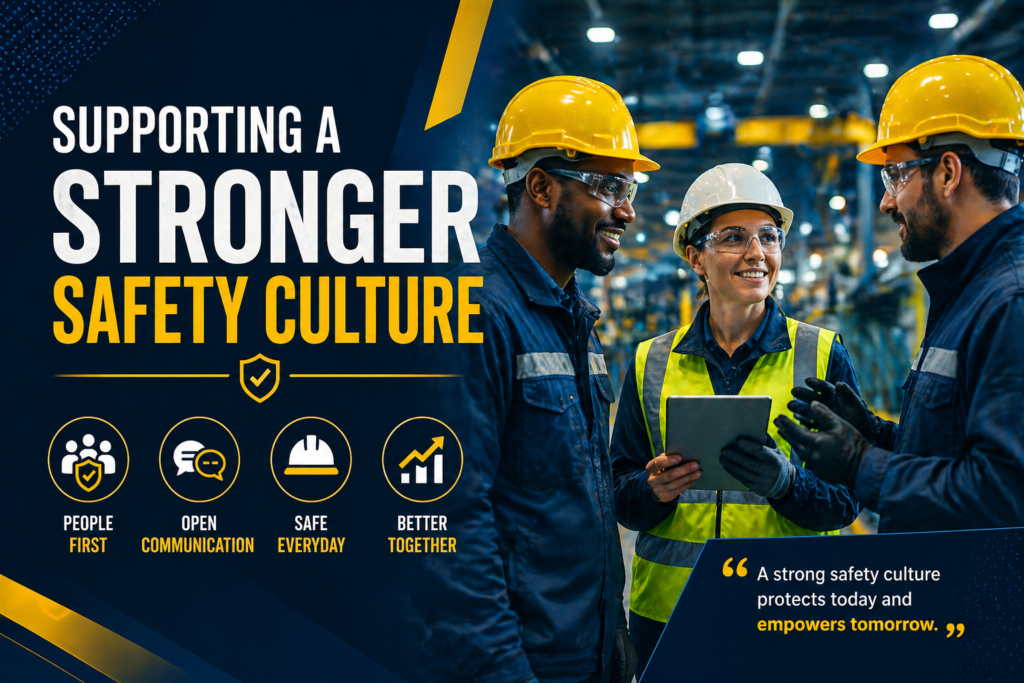
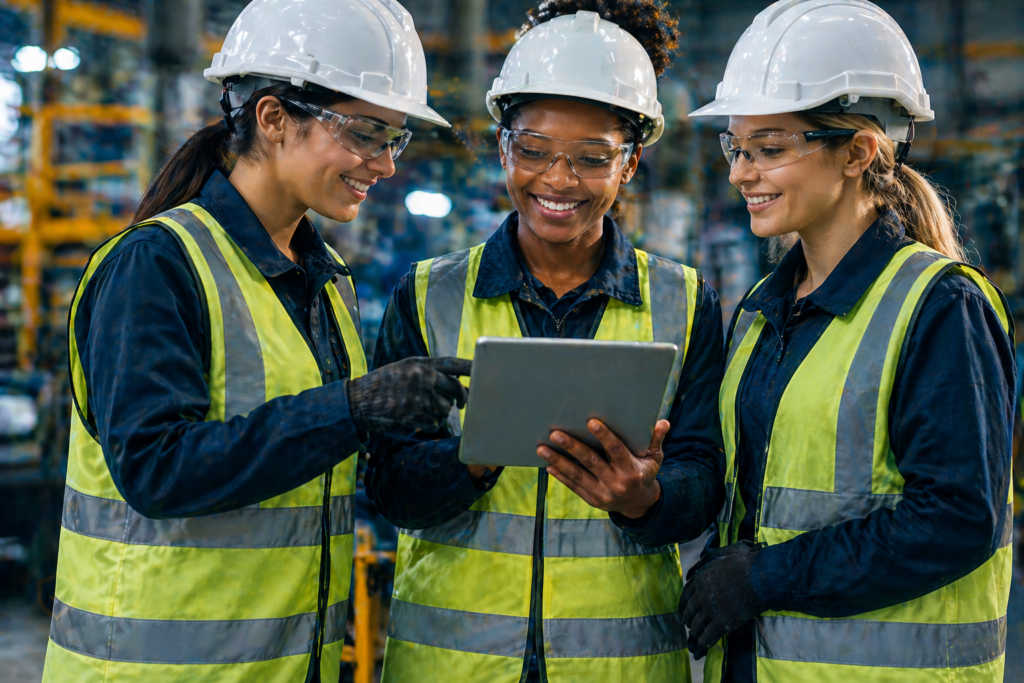
Technology alone does not create a safe workplace. People, leadership, and training still matter. But when the right tools are introduced properly, they can strengthen safety culture in a very real way.
Workers are more likely to engage with safety measures when they feel those measures genuinely help them do their jobs better. A practical piece of technology that reduces strain, improves communication, or helps prevent incidents will usually gain more support than a policy that exists only on paper.
That is why the best safety technology is not just technically advanced. It is useful, practical, and relevant to the real conditions workers face every day. When businesses choose solutions that match their environment and involve workers in the process, safety becomes something more active and meaningful across the organisation.
A Smarter Way Forward for Industrial Safety
Reducing workplace risk in industrial environments requires more than good intentions. It requires systems, tools, and strategies that keep pace with the realities of modern operations. As workplaces become more demanding, the role of smarter safety technology will only continue to grow.
From injury prevention and compliance support to better communication and stronger performance, the benefits are clear. Businesses that invest in practical industrial safety technology are not only protecting their people. They are building more resilient, efficient, and future-ready operations.
In the end, smarter safety is not about replacing human responsibility. It is about supporting it with better tools. And in industrial environments where risk is part of the job, that can make all the difference.