
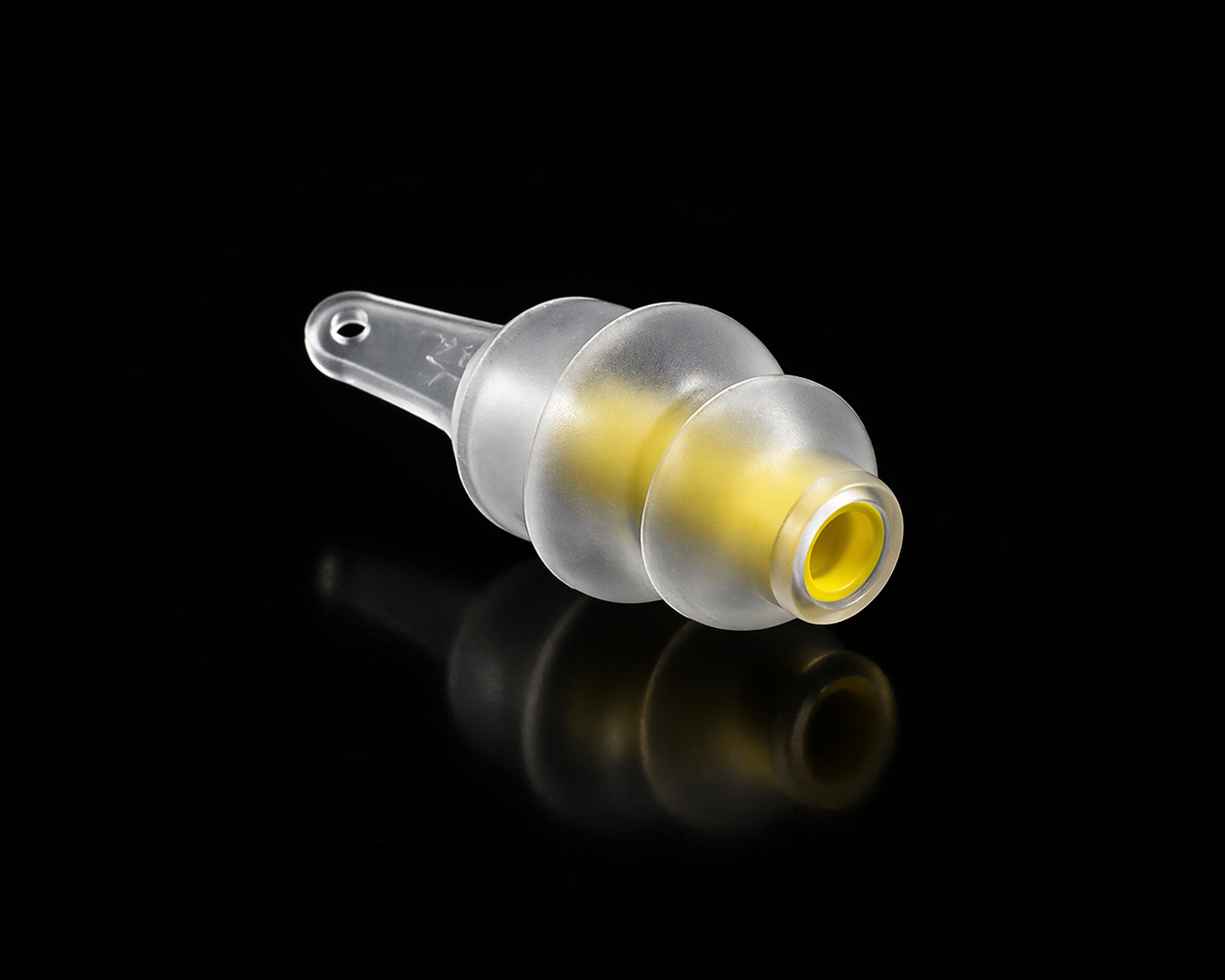
In many workplaces, noise is simply accepted as part of the job. In construction, mining, manufacturing, transport, and heavy industry, loud machinery, equipment, and daily operations can create environments where high noise exposure becomes normal. The problem is that just because something is common does not mean it is harmless. Over time, repeated exposure to workplace noise can lead to serious hearing damage, communication issues, fatigue, and reduced concentration.
That is why hearing protection in the workplace is not just a box to tick for compliance. It plays a real role in protecting workers, improving safety, and supporting better performance across the business. For employers, it is one of the clearest examples of how the right protective equipment can deliver both human and operational value.
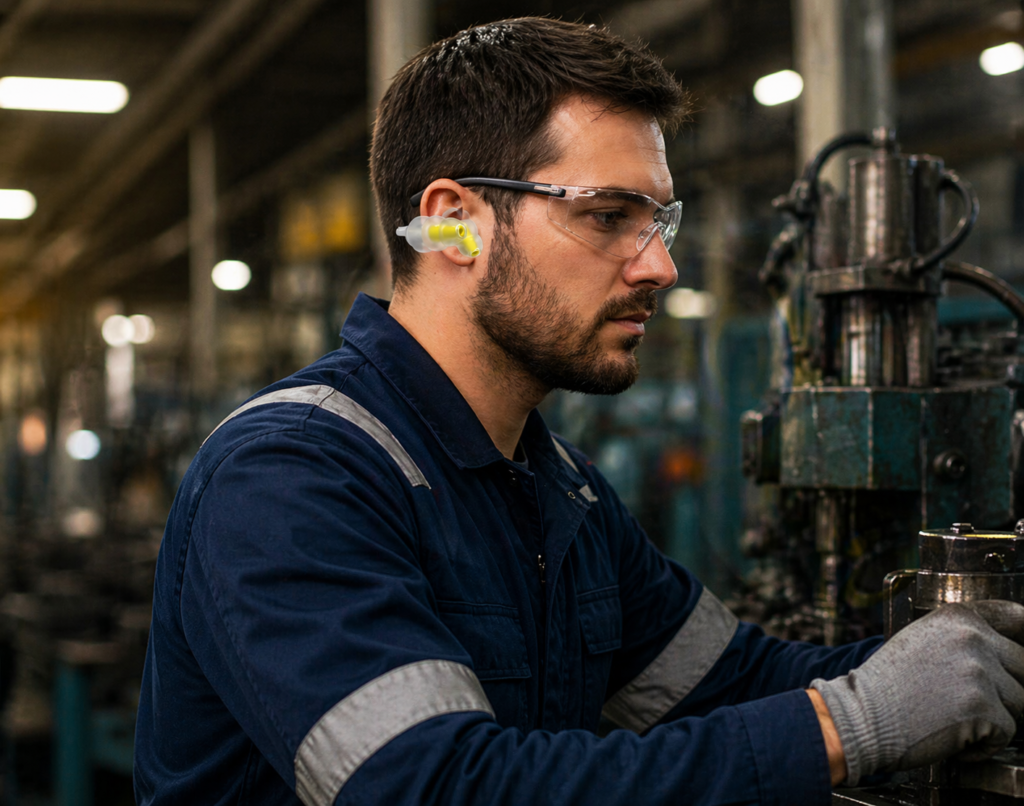
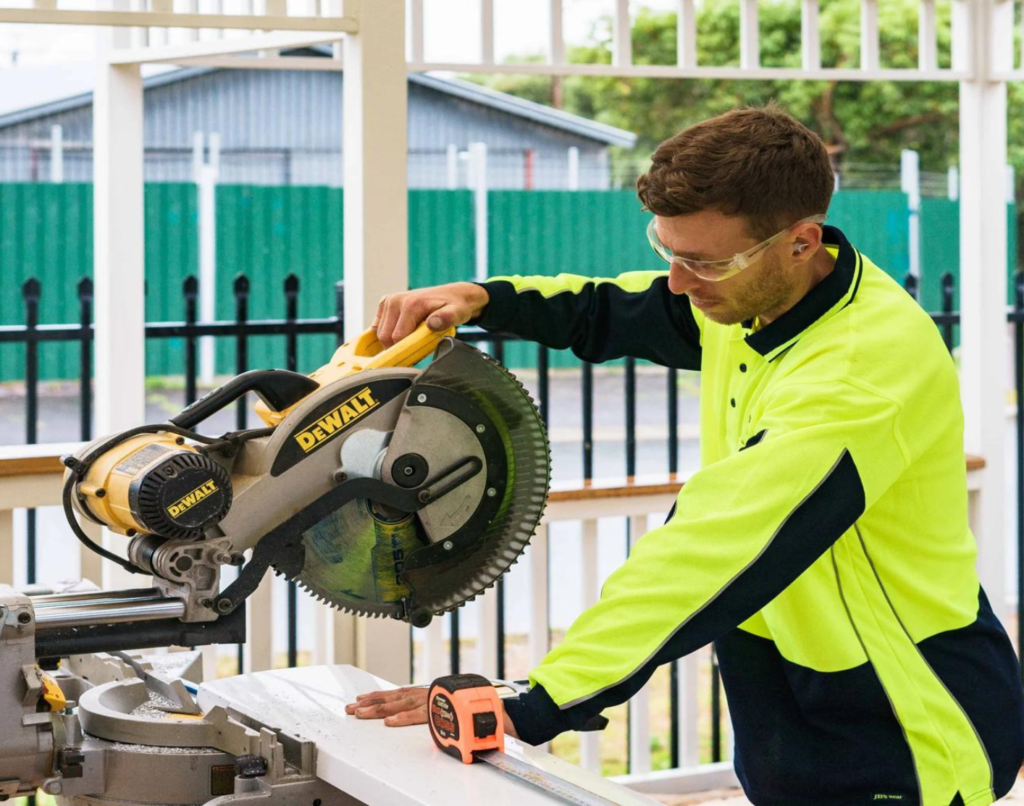
Why Workplace Hearing Protection Matters More Than Many Businesses Realise
Hearing damage does not usually happen all at once. In most cases, it develops gradually through repeated exposure to loud environments. That is part of what makes it such a serious issue. The effects are often permanent, but the warning signs can be easy to ignore in the beginning
Workers may notice ringing in the ears, difficulty following conversations, or a sense that sounds are becoming duller over time. Left unmanaged, this can develop into long-term hearing loss that affects both work and life outside of it.
This is why hearing protection in the workplace matters so much. It is not only about preventing discomfort during a noisy shift. It is about protecting workers from damage that can stay with them for years. When businesses treat hearing protection seriously, they show a stronger commitment to long-term employee wellbeing.
Safety Is About More Than Avoiding Immediate Accidents
When people think about workplace safety, they often think about slips, falls, equipment hazards, or visible injuries. But hearing loss is a workplace health issue that deserves just as much attention. In fact, poor hearing can also contribute to broader safety risks on site.
If workers cannot clearly hear instructions, warning signals, alarms, reversing vehicles, or nearby team members, the risk of mistakes and incidents can increase. In loud environments, clear communication already becomes more difficult. Without proper hearing protection in the workplace, that challenge can become even greater.
The right hearing protection helps reduce harmful noise exposure while still allowing workers to remain aware of their surroundings, especially when the equipment is suited to the task and environment. That balance is important. Good safety measures should protect workers without isolating them from the site around them.
Compliance Is Important, but It Should Not Be the Only Goal
Most businesses understand that workplace hearing protection is part of meeting health and safety obligations. Noise exposure limits, risk assessments, and personal protective equipment requirements are all important parts of responsible operations. Compliance matters because it creates a legal and practical framework for protecting workers.
But businesses that only think about hearing protection in terms of compliance often miss the bigger picture. The real value goes beyond meeting the minimum standard. It includes reducing risk, improving comfort, protecting productivity, and building a stronger workplace culture.
When hearing protection is treated as a genuine safety priority rather than just a compliance item, workers are more likely to take it seriously too. That shift in mindset can make a major difference in how consistently protective measures are followed on site.
The Link Between Hearing Protection and Performance
It is easy to assume that hearing protection only affects safety, but it can also influence everyday performance. In noisy work environments, constant sound exposure can be mentally draining. It contributes to fatigue, stress, and reduced concentration, especially over long shifts.
When workers are exposed to excessive noise without proper protection, they may struggle to focus, communicate effectively, or maintain the same level of alertness throughout the day. Over time, that can affect productivity, accuracy, and even morale.
That is where the value of hearing protection in the workplace becomes even clearer. By reducing noise-related strain, businesses can create a more manageable working environment. Workers who are more comfortable and less fatigued are often better able to stay focused, work consistently, and perform their tasks with greater confidence.
Choosing the Right Protection Makes a Difference
Not all hearing protection is the same, and choosing the right solution is essential. The best option depends on the type of noise, the work environment, and the level of communication workers still need on the job. In some cases, simple earplugs may be suitable. In others, earmuffs or more advanced hearing protection solutions may be the better choice.
Comfort is also a major factor. If protective equipment is uncomfortable, difficult to wear, or poorly suited to the task, workers are less likely to use it properly or consistently. That is why businesses need to think beyond basic supply and focus on suitability, fit, and usability.
Effective hearing protection in the workplace should support safety in a way that workers can realistically maintain throughout the day. The more practical and appropriate the solution, the more successful it will be.
Building a Stronger Safety Culture
One of the most valuable outcomes of taking hearing protection seriously is the message it sends to workers. It tells them that their health matters, not only in the moment, but over the long term. That kind of investment builds trust and supports a stronger safety culture across the business.
When employees see that the business is proactive about risks like noise exposure, they are more likely to engage with other health and safety measures as well. It creates an environment where prevention is taken seriously, rather than only responding once damage is done.
A strong safety culture is not built through policy alone. It is built through visible action, practical support, and consistent standards. Hearing protection is one area where businesses can show that commitment in a very real way.
Protecting People and Strengthening Performance
The real value of hearing protection in the workplace goes far beyond compliance. It helps protect workers from long-term harm, supports safer communication on site, reduces fatigue, and contributes to stronger day-to-day performance. It is a simple but powerful part of creating a safer, healthier, and more productive work environment.
For businesses operating in noisy industries, hearing protection should never be treated as an afterthought. It is an important investment in both people and performance. When workers are protected properly, the benefits are felt across the entire operation.
In the end, the strongest workplaces are not only the ones that meet safety requirements. They are the ones that understand why those protections matter and make them part of how the business works every day.