
Four Corners Exposes SA’s Algal Catastrophe — But There’s a Solution Already Proven and Ready
An Adelaide company has offered the SA Government supervised trials of a chemical-free algal remediation technology. The offer has been met with inaction — and the company is now calling on the State to partner on a pilot that could be running within weeks.
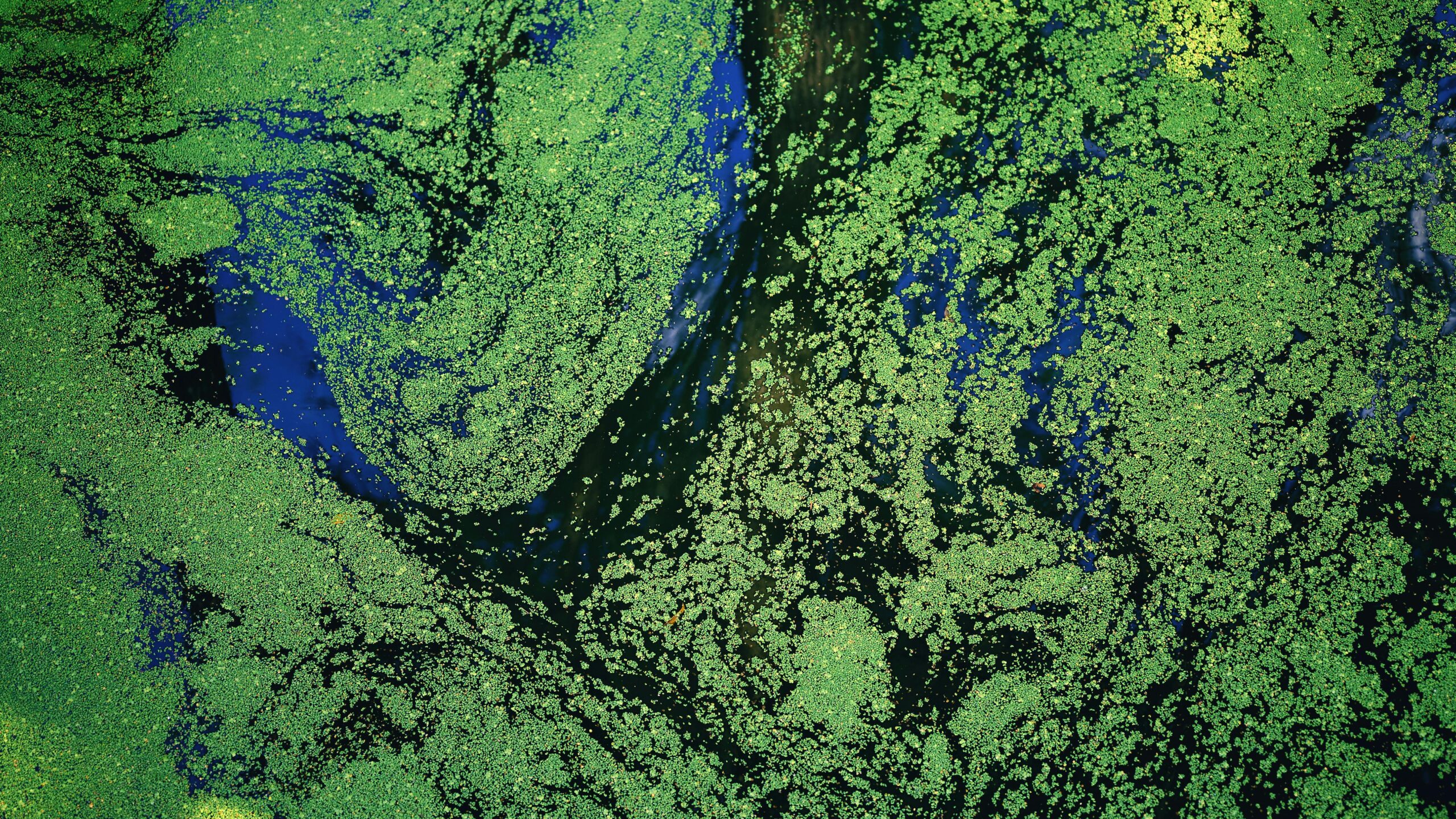
Following national attention on South Australia’s harmful algal bloom crisis, highlighted in the ABC Four Corners program (16 March), SA2050 and its partners are calling for the immediate deployment of a controlled trial at West Lakes to help mitigate the ongoing environmental and economic damage caused by toxic marine algae.
The company holds the Australian licence for Hydro2050, an oxygen–ozone nanobubble system that has already restored degraded lakes and dams in Australia and overseas. The system has demonstrated the ability to slash harmful algal loads, fecal matter, E. coli, and other organic toxins while lifting dissolved oxygen and water clarity — all without chemicals, residues, or ecological damage.
SA2050 CEO Michael Schaefer said that a West Lakes trial conducted in August 2025 demonstrated the potential effectiveness of the technology under local conditions.
“Independent laboratory testing showed Karenia concentrations reduced from 36,500 cells/mL to 400 cells/mL within 30 minutes — a 98.9% reduction in bloom biomass, along with visible improvement in water clarity and oxygen levels during treatment. These results were verified through laboratory analysis and dissolved oxygen monitoring during the demonstration.”
He added that results from existing Australian deployments are equally compelling.
A six-month trial at Lake Albert in Wagga Wagga (NSW, 2025) kept the lake in the “green zone” for safe recreation throughout summer — a marked improvement on previous years of closures.
Independent laboratory testing during a short West Lakes pilot (SA, 2025) recorded a 98.9% reduction in Karenia within 30 minutes.
A five-day treatment on a Willunga farm dam lifted dissolved oxygen from 4.6 to 9.1 ppm, reduced algal coverage from 85% to under 2%, and allowed livestock to safely resume drinking.
Internationally, trials across the United States, Europe, Asia, and the Middle East have demonstrated 70–99% reductions in harmful algae and toxins within 48–72 hours, with no harmful residue and minimal impact on non-target species.
Mr. Schaefer added that SA2050 has worked closely with Primary Industries and Regions South Australia (PIRSA) and associated scientific partners to explore mitigation options for harmful algal blooms.
“This collaborative relationship has enabled integration with monitoring programs, laboratory validation of trial results, and development of safe deployment protocols.”
SA2050 is also working in close collaboration with a world-class scientific team convened by Professor Chris Chow of the University of Adelaide, bringing together leading expertise in algal ecology, water treatment science, and environmental engineering.
The group includes internationally recognised algal researchers, along with specialists from the University of Adelaide and international partners, including National Cheng Kung University in Taiwan.
This multidisciplinary team combines advanced scientific knowledge with Hydro2050’s practical deployment capability, ensuring that any trial deployment is undertaken under rigorous scientific oversight, with robust monitoring, transparent data collection, and peer-reviewed evaluation.
The collaboration reflects a shared commitment between academia, government agencies, and industry to develop evidence-based solutions capable of mitigating harmful algal blooms and restoring South Australia’s waterways.
Hydro2050 has already provided the Government with detailed deployment plans for West Lakes and the Port River, including third-party monitoring protocols, pre-agreed ecological safeguards, and baseline survey schedules.
“We are calling on the South Australian Government to support immediate deployment of a controlled trial at West Lakes, integration with existing PIRSA and SARDI monitoring programs, and transparent scientific reporting of results,” Mr. Schaefer added.
With regulatory frameworks already established and local trial data available, proponents say South Australia has a unique opportunity to lead the world in practical solutions to harmful algal blooms.
Media contact
Michael Schaefer, Chief Executive Officer, SA2050 Pty Ltd
E: michael@sa2050.com
P: 0422 852 005
W: sa2050.com/hydro2050